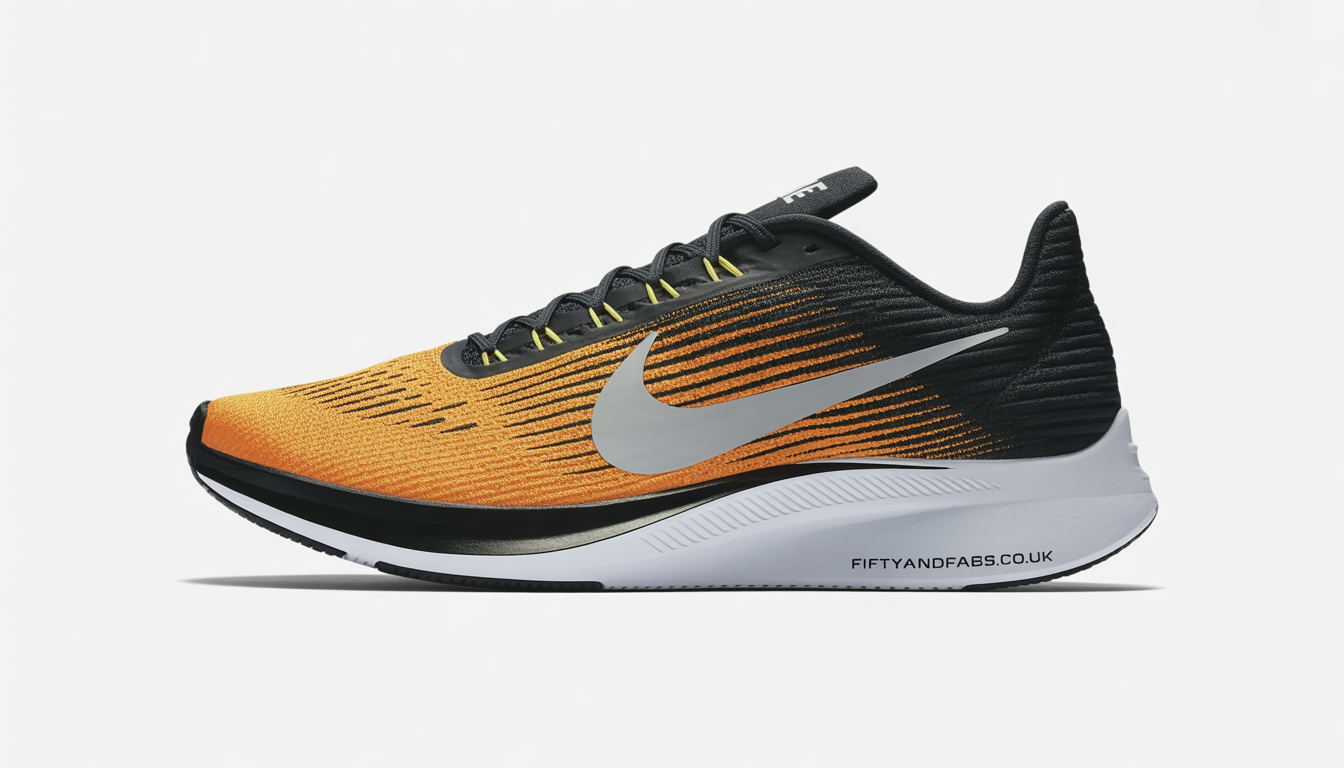
If you have been following Nike’s running lineup for a while, you know the Zoom Fly has always been the “little brother” to the world-record-breaking Vaporfly. In our Nike Zoom Fly 5 review, we’re looking at a shoe that has moved away from being a pure speed demon to becoming a reliable, long-distance partner.
For years, runners loved the Zoom Fly for its aggressive, snappy feel. However, the fifth version brings some massive changes that might surprise you. From the introduction of recycled ZoomX foam to a much wider base, this shoe is designed to help you crush big miles while keeping your legs feeling fresh. Whether you are training for your first 10K or a full marathon, understanding how this shoe fits into your rotation is key.
What’s New in the Nike Zoom Fly 5?
The biggest headline for this model is the midsole. For the first time in this series, Nike has included its “super foam,” known as ZoomX. However, there is a twist: it is the recycled version. This makes the shoe a bit firmer than the racing flats elite athletes wear, but it offers incredible durability.
Another huge change is the wider platform. Previous versions felt a bit “tippy” or unstable, especially when taking sharp corners. The Nike Zoom Fly 5 fixes this by widening the heel and the forefoot. This makes it one of the most stable neutral plated shoes on the market today. If you have struggled with the narrowness of Nike shoes in the past, this update is a breath of fresh air.
Why the Recycled ZoomX Foam Matters
When you hear “ZoomX,” you probably think of a bouncy, marshmallow-like feeling. In the Nike Zoom Fly 5 review, we found that the recycled version used here is much denser. Because the foam is made from scraps fused together, it doesn’t compress as easily as the foam in the Vaporfly.
While you might lose that “super springy” sensation, you gain a shoe that won’t die after 100 miles. Most racers lose their pop quickly, but the Zoom Fly 5 is a “bruiser.” It is built to last for hundreds of miles of training. This makes it a great value for runners who want the benefit of a carbon plate without having to buy new shoes every month.
The Power of the Carbon Fiber Plate
Even though the foam is a bit firmer, the full-length carbon fiber plate still does its job perfectly. The plate gives the shoe a “rocker” feel, which helps your foot roll forward during each stride. This is often called a “propulsive sensation.”
During our testing, we noticed that this plate works best when you are moving at a steady pace. It doesn’t feel as “snappy” for short sprints as the Zoom Fly 4, but it feels amazing when you settle into a long-distance rhythm. It basically helps save your calf muscles from doing all the work, which is exactly what you want during a 15-mile training run.
Stability: A Major Step Forward
One common complaint about plated shoes is that they can feel wobbly. Nike listened to the feedback and made the Nike Zoom Fly 5 much more planted. By increasing the surface area of the outsole, they created a shoe that feels safe even when you are tired and your form starts to slip.
This added stability makes it a “people-first” shoe. You don’t need to be a pro athlete with perfect mechanics to enjoy it. Whether you are a heel striker or a midfoot striker, the wider base catches your foot and guides it through the gait cycle. It’s a comforting feeling when you’re on the last few miles of a long Sunday run.
Upper Comfort and Breathability
The upper is made of a lightweight, dual-layer mesh. It feels a bit more like a traditional trainer than a stripped-down racing shoe. The tongue is padded, which prevents the laces from digging into the top of your foot.
In terms of breathability, it performs well, though it is a bit thicker than the “AtomKnit” found on higher-end models. This extra material adds to the weight, but it also makes the shoe feel more “plush” and comfortable for daily wear. The heel collar also has plenty of padding to prevent slipping and blisters, which is a big win for comfort.
Is the Weight a Dealbreaker?
Let’s be honest: the Nike Zoom Fly 5 is not a light shoe. At over 300 grams for a standard men’s size, it is significantly heavier than many of its competitors. If you are looking for a shoe to set a 5K Personal Best, this might feel a bit bulky.
However, weight is a trade-off for durability. Because there is so much rubber on the outsole and a sturdy midsole, this shoe can handle the “grind.” Think of it as a heavy-duty training tool. When you finally switch to a lighter racing shoe on race day, you will feel like you have wings because you’ve been training in something a bit heavier.
Comparing the Zoom Fly 5 vs. Zoom Fly 4
Many runners wonder if they should upgrade from the previous version. The Zoom Fly 4 used React foam, which was very flexible but lacked the “energy return” of ZoomX. The Nike Zoom Fly 5 feels more like a “max-cushion” shoe compared to the version 4.
The version 5 is definitely more stable and has a more comfortable upper. However, if you prefer a shoe that feels closer to the ground and is lighter, you might still enjoy the older model. For most people, the extra protection and stability of the 5 make it the better choice for everyday marathon training.
Who Should Buy This Shoe?
This shoe is perfect for the “daily grinder.” If you are someone who runs 20 to 50 miles a week and wants one shoe that can do almost everything, this is a strong candidate. It excels at:
- Long Runs: The cushion keeps your joints happy.
- Steady State Runs: The plate helps you maintain a consistent pace.
- Daily Training: It is durable enough to be worn every day.
It is less suited for track intervals or very short, fast races. It’s a “marathoner’s trainer” through and through.
Performance on the Road
On the pavement, the Nike Zoom Fly 5 feels smooth. The outsole grip is surprisingly good, even on wet roads. Nike added more rubber coverage than they usually do on their “fast” shoes, which means you won’t be sliding around when the weather turns bad.
The transition from heel to toe is seamless. You don’t feel the plate “poking” you; instead, you just feel a steady roll. It encourages a high cadence (shorter, faster steps), which is great for running efficiency. While it doesn’t have the “squish” of some other shoes, the protection from the road is excellent.
Conclusion
To wrap up our Nike Zoom Fly 5 review, this is a shoe that knows exactly what it is. It isn’t trying to be the lightest racer in the world. Instead, it is a durable, stable, and protective trainer that uses premium technology to make your hard miles feel a little easier.
If you value stability and want a carbon-plated shoe that will last you for an entire training cycle, the Zoom Fly 5 is a fantastic investment. It brings “super shoe” tech to the everyday runner in a package that is built to last.
FAQs
1. Is the Nike Zoom Fly 5 good for beginners?
Yes! Unlike many carbon-plated shoes that are unstable, the Zoom Fly 5 has a wide base that makes it very supportive for runners of all levels.
2. How many miles will the Nike Zoom Fly 5 last?
Thanks to the thick rubber outsole and dense recycled ZoomX foam, most runners can expect to get 400 to 500 miles out of a pair.
3. Does it fit true to size?
Generally, yes. However, Nike shoes can be a bit narrow in the midfoot. if you have very wide feet, you might want to try them on or go up half a size.
4. Can I use the Zoom Fly 5 for a marathon?
Absolutely. While it is heavier than the Vaporfly, it provides excellent cushioning and a propulsive plate that will help you through the 26.2-mile distance.
5. Is the ZoomX foam in this shoe soft?
It is firmer than the ZoomX found in the Alphafly or Vaporfly because it is made from recycled materials. It feels “protective” rather than “mushy.”
6. Is it a stability shoe?
Technically, it is a neutral shoe, but because of its wide platform, it offers more stability than almost any other plated running shoe on the market.